Monday, August 15, 2011

Roasted Cauliflower and Chickpeas with Dukkah

You know how when you get a new computer, even if it's nicer, it just feels awkward and wrong?  The operating system, the keyboard, everything.

["You use a PC?  But you're a vegan!" -- one of my professors...]

Anyway, that's how I'm feeling about my new laptop and the photo editing software on it, and also about the digital camera I got earlier this year.  Growing pains.  #firstworldproblems.

And I think about how someone who didn't use her computer as often as I did probably wouldn't have such of an adjustment to make.  Similarly, the more comfortable you are in your own kitchen, the more that cooking in someone else's kitchen feels so hard--even if they DO have cool new ingredients and gadgets and counter space. 

Anyway, this dish and the tofu caprese salad came out of me bringing whatever in my fridge was going to go bad to a housesitting gig, plus what they had sitting around.  I also made some collards with harissa (YUM--sort of like this kale recipe) for the same reasons.

Despite my awareness of this tendency, I continue to overlook cauliflower.  But when I saw this recipe on taste space, I got excited about finally using up my dukkah, as well as the cauliflower that was left over from making rasa kayi.


Janet's dukkah recipe includes coconut, and I really wanted to include that, but I didn't have any on hand.  I also added the dukkah at the beginning rather than the end, with no adverse results.  Finally, at the end the dish really needed a squirt of lemon juice and a drizzle of olive oil to keep it from being a lil mealy.  When all was said and done, it was really lovely--starchy/hearty but interesting in terms of taste and texture.

Roasted Cauliflower and Chickpeas with Dukkah
(from taste space)

Ingredients
2 lb cauliflower, cut into bite size pieces (1 large head)
2 c cooked chickpeas (or a 19-oz can of chickpeas, rinsed well and drained)
2 TB extra virgin olive oil
1/2-1 tsp sea salt, or to taste
4 TB dukkah, or the following:
(since the dukkah recipe I use doesn't include coconut, I would add that!)
* 1.5 TB blanched almonds, toasted and finely chopped
* 2 tsp coriander seeds, toasted and ground
* 1/2 TB cumin seeds, toasted and ground
* 1/2 TB sesame seeds, toasted and ground
* 1 TB unsweetened dried shredded coconut, toasted and ground
pinch salt
pinch freshly ground black pepper
lemon juice
additional olive oil

Instructions
1. Preheat oven to 400F.
2. If making your dukkah, now, separately toast the almonds, coriander seeds, cumin seeds, sesame seeds and coconut. Grind each individually, then combine all together with a pinch of salt and pepper. Set aside.
3. Combine cauliflower florets (include all the little bits!) and chickpeas. Toss with olive oil and salt, to taste. Lay in a single layer on two baking trays lined with a silpat.
4. Roast for 20-40 minutes until top edges are golden brown. Check at 20 minutes, if it isn’t done, toss to have them evenly roast. Once out of the oven, top with dukkah. Serve immediately.  Serves 4.

Saturday, August 13, 2011

Caprese Salad


Hearkening back to the time of the experimental fruit salads of last summer... I was like, I have tomatoes.  I have basil.  Let's make this work.


Fried tofu stands in here for the traditional caprese's mozzarella.  It's then jazzed up with lemon juice, scallions, red sea salt (a special house-sitting find!), and one last drizzle of olive oil.


Tofu Caprese Salad
Ingredients
oil
tofu, pressed and cut into little pieces
*
tomatoes (cherry or otherwise), cut into bite-sized pieces
salt (I used this red sea salt)
lemon juice
olive oil
basil, chiffonade cut
scallions, minced

Instructions
1. Fry tofu pieces until golden brown. Set aside.
2. Combine tofu with remaining ingredients.  Adjust to taste, and place in fridge, allowing flavors to mix before serving.

Crispy Tempeh

I picked up some panko breadcrumbs at TJ's and had to play with them.

Breadcrumbs are magic. 


Crispy Tempeh

Ingredients
1 8-ounce pkg. of tempeh, cut into cubes
4 c water
1/4 c soy sauce
*
1/2 c unsweetened nondairy milk
1/2 c whole wheat flour (didn't need this much)
1/2 c plain unseasoned breadcrumbs (used panko)
1/2 tsp onion powder
1/4 tsp chili powder
1/4 tsp garlic powder

Instructions
1. Simmer tempeh in tamari-seasoned water for about 20 min.  Remove and let cool.
2. Preheat oven to 425*.  Oil a baking dish.
3. Fill one bowl/plate with almond milk, one with the flour mixed with onion powder, chili powder, and garlic powder, and one with breadcrumbs.  Dip in milk, flour, milk again, and breadcrumbs.  Bake the tempeh for 18-20 minutes until crispy on the outside.  Serves about 2-3.

Friday, August 12, 2011

Buckaroo Beans and Homemade Polenta

The word "buckaroo," according to wikipedia, most likely derives from the Spanish word "vaquero" and essentially means "cowboy."  Would a cowboy eat these beans?  I'm not sure.  On the one hand, there's a nice element of tex-mex-ish fusion, what with the chipotles and cocoa.  On the other hand, this is a lil too complicated to make, like out of a can out on the range or whatever.

This recipe employs dry mustard, chipotles, coffee, and chocolate!! which results in an awesome tangy, smoky, velvety, and earthy dish.

I had this recipe two ways, both of which I'd recommend: first, with fried collards and brown rice (typical macro-southern fusion); and secondly, with homemade polenta: although trader joe's polenta is cheap, easy, and tasty, I thought I'd try my hand at doing it from scratch, since I didn't have any other polenta options.  I simmered 1/2 c cornmeal in several c of water until all the water was absorbed (which happened really fast), then I put it into little cups (see photo at right) and refrigerated them a few hours.  Then, slice and fry!

So about this recipe.  I used 1 c dry black beans; I couldn't decide how much this was (the original recipe called for one pound), so I started off making a "half" but then lapsed into whole.  This meant that the dish ended up really saucy rather than beany, but still good.  Indeed, according to some random site I google, 1 lb dry beans is actually 2.2 c.  Maybe I should get a kitchen scale.

I also omitted the bell pepper, bacon bits (ew), and extra liquid.  I mistakenly used whole chipotles en adobo instead of cutting them up (whoops).  And finally, I used cocoa powder rather than chocolate--this, I think, was just fine and also healthier.

Buckaroo Beans
(adapted from frontier coop, via Janet's suggestions on my post about chili powder)

Ingredients
1-2 c dry beans, soaked (I used 1 c dry black beans)
2 bay leaves
*
1/2-1 large onion, chopped
1  large green pepper, seeds and membrane removed, chopped (I skipped this)
2-3 canned chipotle peppers en adobo, diced, with their sauce
2-4 TB cocoa powder
1/2-1 c canned crushed tomatoes (I used 1/4 c tomato paste w/some water)
1 c very strong coffee
3 TB brown sugar
2 tsp dried oregano
2 tsp sea salt
1 tsp ground cumin
1 tsp dry mustard
oil

Directions
1. Drain the beans well, rinse, and place in a large pot with fresh water to cover. Add the bay leaves and place over high heat. Bring to boil; lower heat and simmer until tender, about 40 minutes for anasazi, 1 1/2 hours for pintos. Remove from heat. Drain and reserve the cooking liquid.
2. Preheat oven to 275 degrees.
3. Spray a bean pot or other deep, nonreactive casserole with cooking spray. Scatter the onion and green pepper over the bottom, then add the drained beans.
4. Whisk the chipotles and adobe sauce, unsweetened chocolate, crushed tomatoes, coffee, brown sugar, chili powder, oregano (crush the leaves between your fingers as you add it, to release the essential oils), salt, ground cumin, and dry mustard into the reserved bean cooking liquid. When well combined, pour over the beans. The liquid should just cover the beans; if it doesn't, add just enough boiling water, coffee, or vegetable stock to achieve this. Cover and bake for 6 hours, checking every once in a while to make sure the liquid level is maintained.
5. After the beans have baked for 6 hours, uncover. Stir to distribute the onion and green pepper throughout the beans. Return to oven and bake for 50 minutes more. If using, stir in bacon bits and bake for an additional 10 minutes. Serve hot, with cornbread or tortillas, and pass any desired accompaniments at the table.  Serves 4-6.

Thursday, August 11, 2011

Rasa Kayi

Besides the eggplant-based Rasa Vangi, the other amazing dish I had at Rasa last month in London was Rasa Kayi, which apparently comes from Karnataka, to the north of Kerala (I think most of the dishes at the restaurant were from Kerala).  I looked around online for a recipe that included cinnamon and cardamom, because they were what really gave the dish its particular flavor, especially paired with the coconut milk.  Yum--I love the possibility of using coconut milk rather than yogurt in a curry.

Unlike the eggplant recipe, this recipe was very specific about amounts and cooking times, and it worked out great: the veggies were all cooked to perfection, tender but not mushy.  And the flavors are an extravaganza: the warmth of coconut milk, cinnamon, cardamom, and fennel are balanced out by the brighter flavors of tomato and ginger.  Definitely a keeper.

Rasa Kayi (Karnataka Curry)
(from chef2chef)

Ingredients
3 tomatoes
1 whole green chile, seeded and finely chopped
1 piece fresh ginger (1-inch), chopped
1 tsp fennel seeds, toasted
3 TB vegetable oil
2 whole green chiles; trimmed, halved lengthwise
1 cinnamon stick
contents of 2 cardamom pods
2 bay leaves
pinch salt
3 medium onions; finely chopped
1 tsp turmeric
1 tsp chile powder (I omitted this because I was worried about it being too spicy for my guest; you can always add it to taste later)
2 tsp ground coriander
1 lg carrot; cut into 2in batons
1 sm potato; cut into 2in batons
2 oz cauliflower florets; small
2 oz fine green beans; trimmed
1/3 c  coconut milk; more or less
salt and pepper

Instructions
1. Put the tomatoes, chopped chile, ginger and fennel seeds into a food processor or blender and process until smooth.
2. Heat the oil in a large pan and fry the halved chiles, cinnamon, cardamom and bay leaves for 2 minutes, stirring occasionally. Add the onions and cook over a low heat for 10 minutes, stirring occasionally, until soft and caramelized. Stir in the turmeric, chile powder and coriander and cook for 2 minutes. Stir in the carrot, potato and 5 tablespoons water, cover and cook over a low heat for 15-20 minutes, stirring occasionally.
3. Add the cauliflower florets, green beans and tomato mixture. Cover and cook over a low heat for a further 10 minutes until all the vegetables are tender and the sauce has thickened.
4. Stir in the coconut milk and cook over a low heat for 1-2 minutes to heat through. Serve immediately.  Serves 4.

Monday, August 8, 2011

Rasa Vangi

It always gets me when people talk about "curry" as if it were a dish, a spice, or a food group.  Insofar as it is anything--stretching from Japan to Thailand to Pakistan to India--curry is a method of cooking, which may involve frying spices in oil or ghee before turning them into a sauce.  To talk about "curry" as if it meant "Indian food" is like talking about French food by using the word "bake."  "Oh, we went out to this darling little ethnic restaurant last night and we had some bake."  Never mind that even French food differs depending on the part of the country you're in; never mind that "bake" could refer to many different dishes; never mind that "bake" excludes a large part of the cuisine of the country with which it's being somewhat awkwardly associated.   And, never mind that the word also suggests the cuisine of one nation, when in reality many nations make those type of dishes.  Anyway.

Did you know that in Britain all the Asians who aren't "South Asian" (i.e., Pakistani, Indian, Sri Lankan, or Bangladeshi) have to check "Chinese or other" on their census forms?  It's nice to know that Americans aren't the only ones whose census has some issues.

So on to the really awesome stuff.

This was the second-most-life-changing curry we had at Rasa.  I think it ended up better than the version we had at the restaurant, but I'm not sure why.  I found this recipe online, and I kindof loved how it didn't have ANY measurements!  Let's just think about the hegemony of the measurement.  Sometimes I make up measurements to make my recipes sound legit.  But I felt liberated and delighted by a recipe that was like, "add some of this; then add some of this."  And you know what?  It turned out really awesome.

Then again, I recorded my own measurements for you.  So the measurement rears its head again.

I find it interesting how similar, and yet how different, this recipe is to the baingan bharta that I adore.  Here there be sesame seeds, coconut, tamarind, and mustard seeds!

It was so delicious.  The eggplant was tender, with the consistency of a poached pear, and the spices were exquisite.  Sarah said that it was "restaurant quality," which I'm gonna take as a compliment.

Rasa Vangi
(adapted from this blog)

Ingredients
3 small eggplants, sliced
masala
1 stick cinnamon
1 tsp sesame seeds
2 tsp coriander seeds
1 red chile, dried
1 TB coconut
*
gravy
1 large onion, chopped
2 small tomatoes, chopped
1-2 green chillis
tamarind (the recipe calls for a "lemon sized" chunk of tamarind; I used 1 tsp of the concentrated paste)
1/2 tsp ground coriander
cayenne to taste
seasoning
canola oil
1 tsp mustard seeds

Instructions
1. Cut the eggplants in to quarters and fry them golden brown in oil.
2. Extract tamarind pulp and add two glasses of water to it and keep aside.
3. In the meanwhile grind all the ingredients for the masala to a fine powder (I toasted them first, individually, to bring out the flavors).
4. Now in a wok add some oil and fry mustard seeds.  Now add finely chopped onions and green chillis and saute well. Add chopped tomatoes to it and cook it well. Add coriander powder, chilli powder and salt and stir. Now add the tamarind water and the ground masala powder.
5. Now bring the mix to a boil and add the fried eggplants to it.
6. Let it cook till the gravy thickens.Add chopped cilantro leaves before closing the lid.   Serves about 4.

Monday, August 1, 2011

London Recap


Hi everyone!  I've been wandering through pretty much each charter'd street this past month, and what a seriously amazing month it has been! 

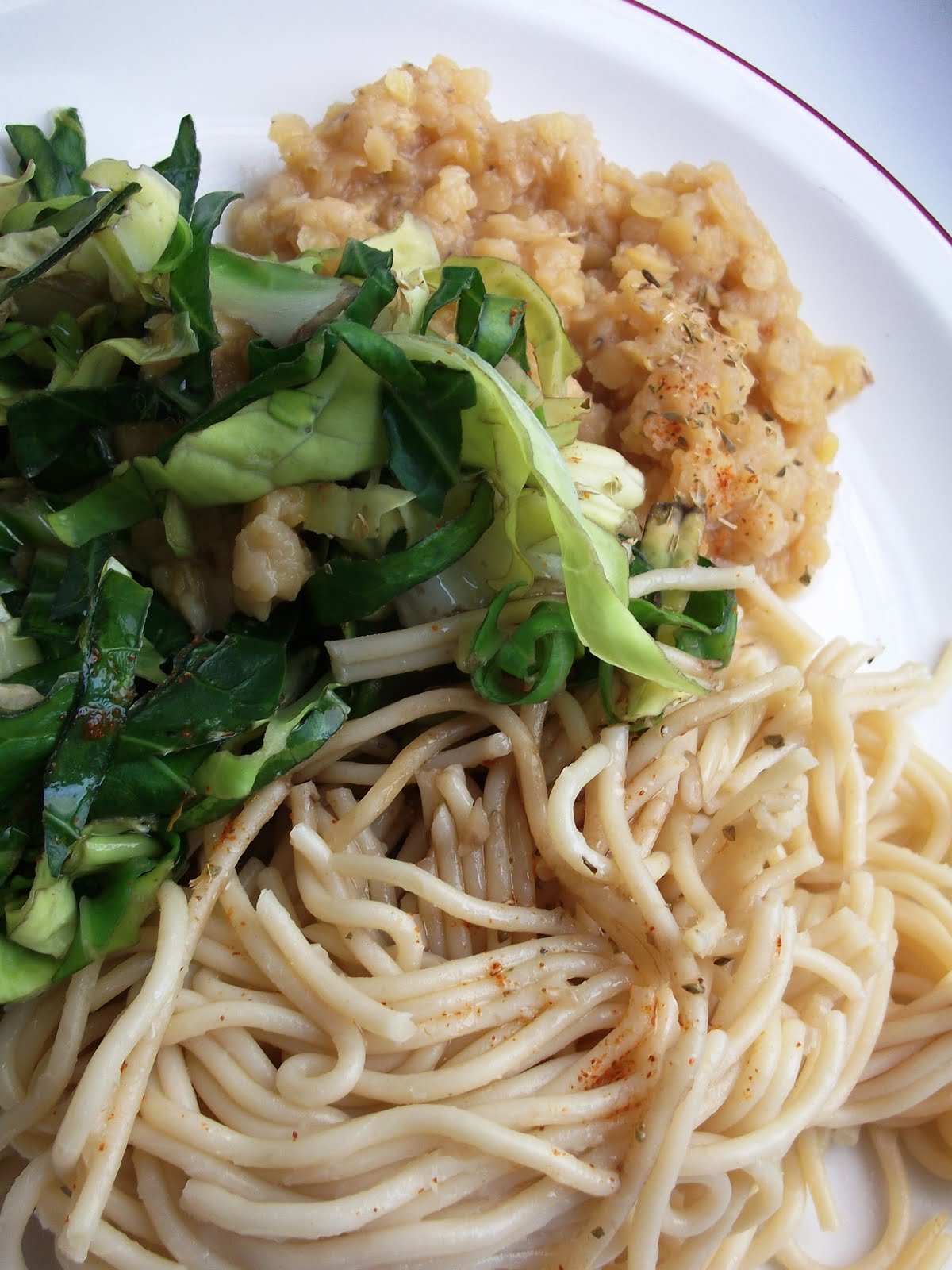
Still, I've been living in a little hotel room with a tiny kitchen, cooking things that require no chopping and few ingredients.  This was probably the best "home-cooked" meal:

spaghetti with "harissa" (about which more later), salt, oregano, and cayenne; lentils with salt, oregano, and cayenne; steamed greens with salt, cayenne, and a sprinkle of balsamic vinegar

About that "harissa"... I feel like the label speaks for itself.

Not. remotely. spicy.  Three lil chilies?  Really???  Only in England.

The other lowpoint (just wait, I'm getting to the super high points!) is beer in England.  Most of it's not technically vegan (or even vegetarian); moreover, it's forced into this binary of lagers and ales.  The lagers are all pretty boring (Beck's, Stella, etc.), and the ales are mostly boring in their own way (flat, heavy, yeasty, bland).  I seriously craved something dry, fizzy, hoppy, and interesting--this doesn't appear to exist in the UK.  Among the, ahem, several beers I tasted while in England, I found two I really did like: Fuller's ESB and Hook Norton Haymaker.  Fuller's is fizzy but ale-y, like an American amber or pale ale.  The Hook Norton may have been an English ale--which means its pumped and not fizzy--but it was hoppier and fresher-tasting than most of the others I tried.

And yeah.  Most English beers are actually not even vegetarian.  Apparently Fuller's is and Hook Norton isn't.  Eek.  I pick my battles.  The idea that "vegan" is a clearly defined, easy-to-observe category is a delusion.

And now the really good stuff!

I had one of the best meals of my life at Rasa, a Keralian restaurant in Stoke Newington.  Recipes definitely forthcoming.  I went there twice.  On the first visit, we had 1) a nair dosa, stuffed not only with potatoes and spices but also with beets, carrots, and ginger; 2) rasa vangi, an eggplant curry; 3) a black-eyed pea curry (w/coconut!); 4) tomato rice (with coconut milk and cashews); and 5) some whole wheat chappatis.  But the real star of the meal was 6) rasa kayi.  Good gods.  It's "a mixed vegetable speciality from the Southern State of Karnataka. A spicy curry made of beans, carrots, cauliflower, potatoes and simmered in a sauce of garlic, ginger and fennel."  We also tasted cinnamon and cardamom in addition to the fennel... basically, it was perfect.  I WILL recreate this dish if it's the last thing I do.  :)

So I went back a second time, with other friends, and we had amazing kathrikka ("finely sliced pieces of aubergines are dipped in a special batter, blended with coriander and chilli, before frying. Served with a fresh tomato chutney"); spicy potatoes ("A combination of potatoes, peas and peppers stir fried with onions, cloves, black pepper and tomatoes"); coconut rice; parathas; and the glorious return of the nair dosa and rasa kayi.  What's really incredible?  We had all this food, plus three beers, and the bill was only 30 pounds!  I'm about ready to move to Stoke Newington.  It's a bit of a commute to UCLA, though.

While in England, my professor Saree also took me and my colleague Alex to two gastopubs in Clerkenwell that were fantastic: The Eagle and The Easton.  The Eagle had a velvety chickpea-eggplantstew on the menu; it had lots of cumin, with slightly sour and caramelly flavors, and a buttload of cilantro (I mean, "coriander leaf").  We also had some fantastic garlicky olives and bread with our meal.  At the Easton, there was nothing really vegan on the menu, but when I talked to the waitress, she had the kitchen make me an amazing entree salad with couscous and roasted garlic, tomatoes, and artichoke hearts.


Then for the runners-up round:

After a seriously epic walking tour of East London, we stopped at Tayyabs in Whitechapel for dinner.  It sort of reminded me of Jitlada in my neighborhood in LA--an amazing "ethnic" restaurant that has been discovered by white people and has consequently resulted in crowds, higher prices, and crappier service... but is still more or less worth it for the excellent food.  I ate: papadums and chutneys, pakoras, veggie samosas, dhall karela (lentils and pumpkin!), rice.  However, the place is really known for its grilled meat, and I think the people who ate that were more impressed than I was.

Finally, I really wanted a full English breakfast.  Thanks to quarrygirl, I heard about Inspiral Cafe in Camden Town.  And this is what I got:

tofu scramble (with dill!?); roasted mushrooms; beans (chickpeas, canellinis, kidney beans, tomatoes, grated carrots); tempeh bacon; housemade veg sausage; roasted tomatoes; toast

The roasted mushrooms were incredible, and generally the breakfast was really good.  Still, it mostly just made me miss my kitchen.  I also wasn't crazy about the dill in the scramble.

And here I am!  I have a huge backlog of stuff to make/post, but I also am newly resolved to focusing on schoolwork for the rest of the summer.  We'll see how this pans out.  In the meantime... this new brewpub/restaurant Mohawk Bend is opening tonight near me and I am SO EXCITED.

It might take leaving LA for a bit to really appreciate just how many amazing people and places there are here.  London used to be the city of my dreams--in 2007, I left everything in the US to move there without job, friends, or apartment--but I have never been happier than I am now, in Los Angeles, of all places.  Almost no one wants to admit to belonging in LA, but... I am so, so happy to be here.